
Lecce: The Florence of the South
Tucked into the heel of Italy's boot, Lecce is the city that surprises every visitor who arrives expecting "just another Puglia stop." Its nickname, the Florence of the South, comes from the extraordinary Baroque architecture carved from soft, honey-colored local limestone known as pietra leccese — a stone so workable that centuries of sculptors turned the whole city center into a lace-like masterpiece of curls, cherubs, and flowers. Add a relaxed, sun-drenched Salento atmosphere, superb food, and a still-thriving tradition of local crafts, and Lecce becomes one of the most rewarding bases for exploring southern Puglia.
Here's what to see, where to eat, and which hands-on workshops make a trip to Lecce unforgettable.
Must-See Monuments
Basilica di Santa Croce The undisputed masterpiece of Lecce Baroque. Its facade is an almost overwhelming explosion of carved stone — animals, angels, floral garlands, and grotesque figures wrap around a rose window that took over a century to complete. It's the building every visitor photographs first, and it deserves the attention.

Piazza del Duomo One of Italy's most theatrical squares, enclosed on three sides so that the Cathedral, the Bishop's Palace, and the striking 68-metre bell tower seem to rise up all at once as you walk in. In the evening, when the buildings are lit, it feels like stepping onto a stage set.
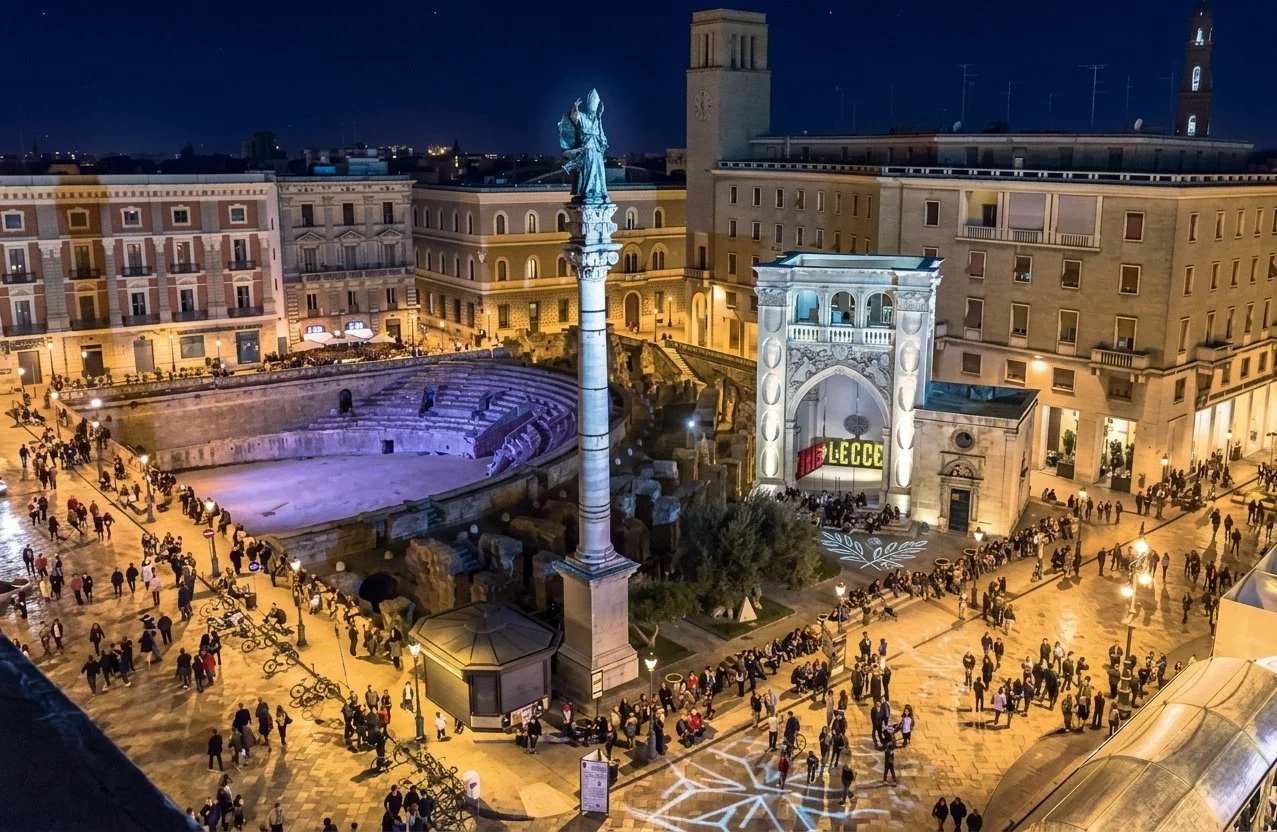
Roman Amphitheatre (Anfiteatro Romano) A partially excavated 2nd-century Roman amphitheater sits right in the middle of Piazza Sant'Oronzo, the city's social heart — proof that Lecce's history runs far deeper than its Baroque skin. The column at the piazza's edge, topped with a statue of the city's patron saint, once marked the end of the Appian Way in nearby Brindisi before being moved here.
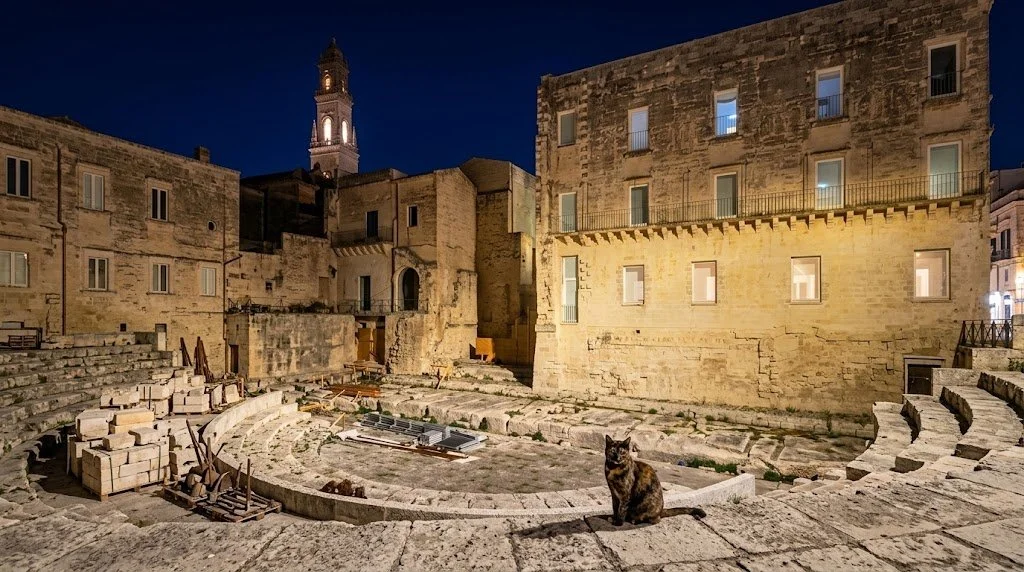
Greek Theatre (Teatro Greco) Hidden away in the heart of Lecce's historic centre, the Greek Theatre is one of the city's lesser-known archaeological gems. Tucked between the surrounding historic buildings, this intimate semicircular theatre is thought to date from the Roman period, although its design reflects the traditions of Greek theatre. Its partially excavated seating area and curved structure make it easy to overlook, but discovering it is a rewarding detour from Lecce's grand Baroque monuments. It offers a fascinating reminder that beneath the city's ornate 17th-century architecture lies a much older history, with ancient theatres and public spaces once forming part of everyday urban life.
Porta Napoli One of the last surviving city gates, built as a triumphal arch in the 1540s. It's a good, quieter starting point for a walk into the historic center, away from the crowds around the Duomo.
Castello Carlo V A robust 16th-century castle commissioned by Emperor Charles V, blending medieval and Renaissance military architecture. Today it hosts exhibitions and cultural events, and its courtyards are a pleasant contrast to the delicacy of Lecce's Baroque churches.
Chiesa di Sant'Irene and the smaller Baroque churches Beyond the big names, Lecce's backstreets hide dozens of smaller churches with elaborately carved facades. Wandering without a fixed itinerary — and simply looking up — is one of the best ways to appreciate the city.
Where to Eat
Salento cuisine is built on simple, high-quality ingredients: excellent olive oil, seasonal vegetables, fresh seafood from the nearby coast, and homemade pasta. A few essentials to guide guests:
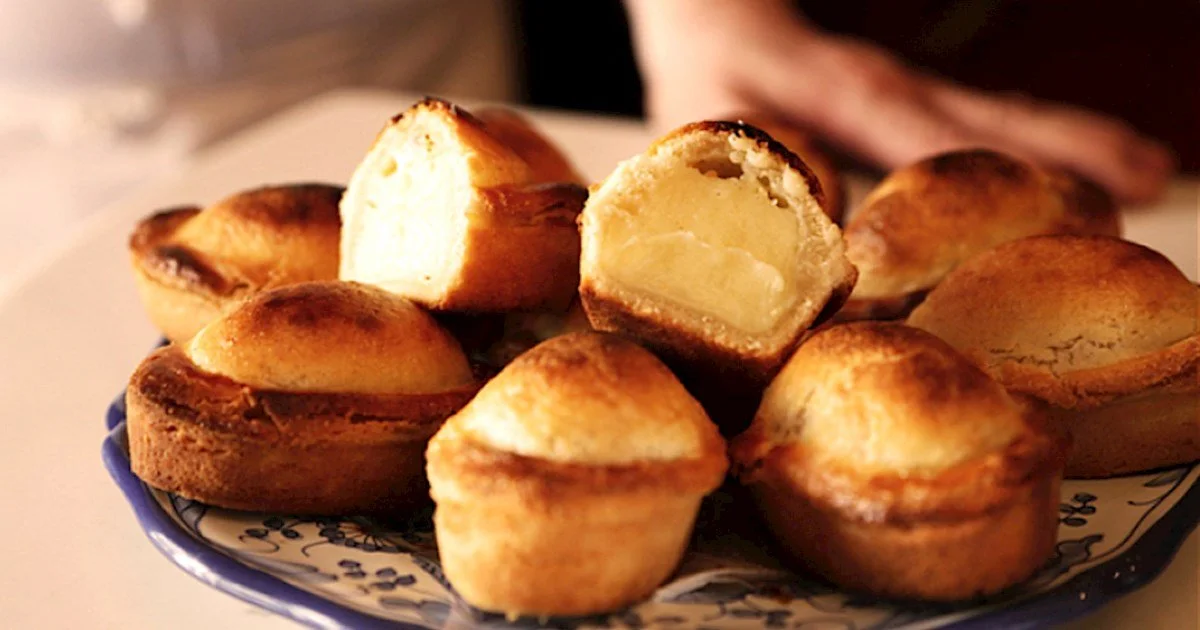
Pasticciotto

Rustico Leccese
Pasticciotto leccese – A short-crust pastry filled with warm custard, traditionally eaten for breakfast. Locals will say the best is eaten standing at the counter, still warm from the oven.
Rustico leccese – A savory puff-pastry snack filled with mozzarella, tomato, and béchamel — the perfect quick lunch while sightseeing.
Orecchiette – The iconic "little ear" pasta of Puglia, classically served con le cime di rapa (with turnip greens) or a simple tomato and ricotta salata sauce.
Ciceri e tria – A rustic Salento specialty of pasta and chickpeas, with part of the pasta fried for texture — a dish with Arab-influenced roots.
Fresh seafood – Raw seafood platters (crudo), grilled octopus, and mussels are staples, especially in restaurants near the historic center that source from the nearby coast.
For guests, recommend a mix of:
A classic osteria in the historic center for a full sit-down meal of local pasta and seafood.
A friggitoria or street-food counter for rustici and panzerotti on the go.
A pasticceria for pasticciotti and a morning espresso, Lecce-style — often with a splash of almond milk (caffè in ghiaccio con latte di mandorla), a Salento signature in the warmer months.
Hands-On Workshops
What makes Lecce especially rewarding for visitors is that its traditions aren't locked behind museum glass — they're still practiced daily in small workshops around the old town, many of which welcome guests to try their hand.
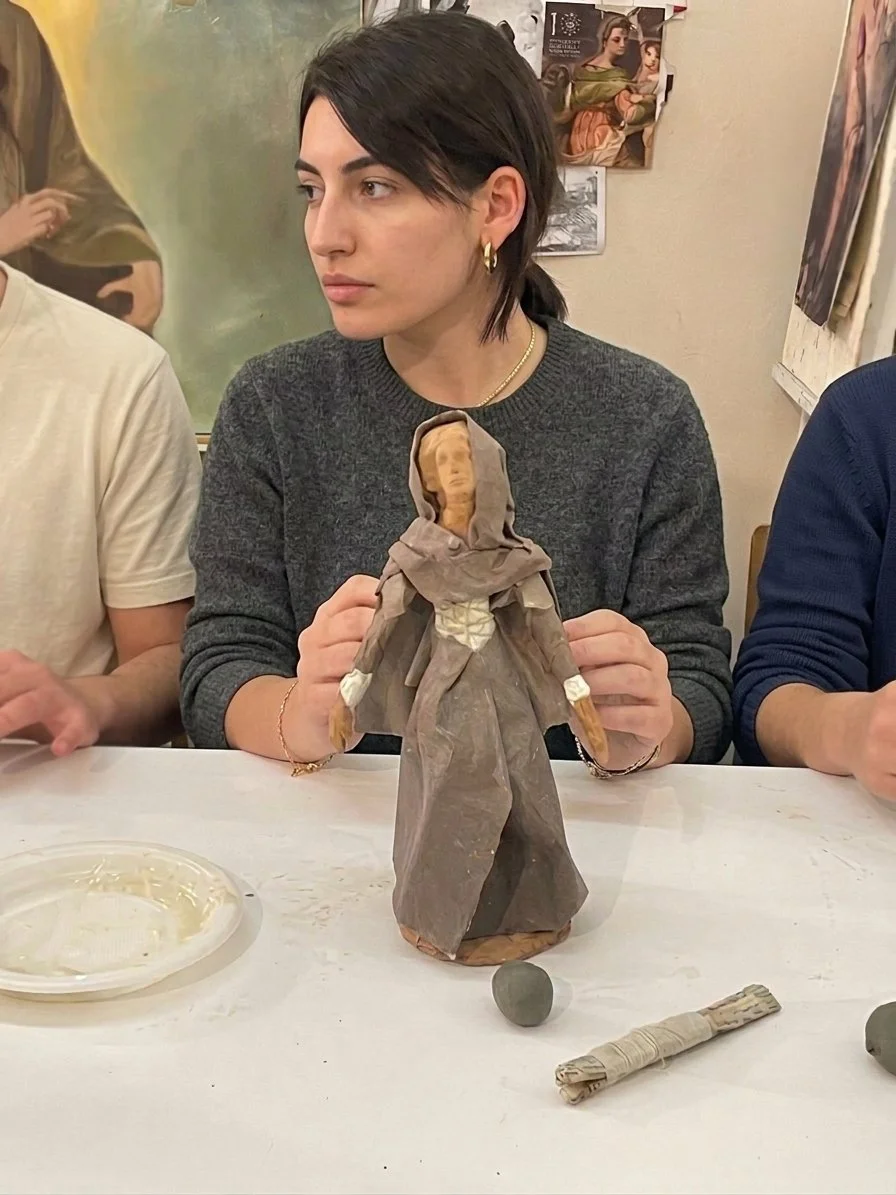
Cartapesta (Papier-Mâché Art) Lecce is Italy's capital of cartapesta, a centuries-old technique using layered paper, glue, and plaster to sculpt everything from nativity figures to life-size saints for religious processions. Artisan workshops in the historic center — many still family-run for generations — offer demonstrations and short hands-on sessions where guests can shape and paint their own small figure to take home. It's a wonderful way to understand a craft that's deeply tied to Lecce's identity and its famous cartapesta saints paraded through the streets during local festivals.
Fresh Pasta Making (Orecchiette and Beyond) A hands-on pasta class is one of the most popular experiences for foreign visitors — and for good reason. Guests learn to make orecchiette the traditional way: rolling small pieces of durum wheat dough against a knife and flicking them into their signature "ear" shape, purely by hand, no machines involved. Many classes pair the lesson with a full Salento-style lunch afterward, often held in a countryside masseria (farmhouse) or a home kitchen in the old town, giving visitors a genuine taste of local hospitality alongside the skill.
Pietra Leccese Stone Carving For a smaller number of visitors, some ateliers offer introductory sessions working with the same soft local limestone that built Santa Croce's facade — a chance to literally get hands-on with the material that defines the city's look.
Olive Oil and Wine Tastings Not a "workshop" in the crafting sense, but a natural pairing: guided tastings at nearby masserie or wineries explain Salento's olive oil and Negroamaro/Primitivo wine traditions, often combined with a countryside excursion outside the city.
Suggested Itinerary Note for Guests
Lecce rewards slow travel. A minimum of two full days allows time for the major monuments, a leisurely lunch, and at least one workshop — three days is ideal if guests want to fit in both a cartapesta session and a pasta-making class, plus a half-day trip to the coast (Otranto or the beaches of Torre dell'Orso and Porto Cesareo are both under an hour away).
